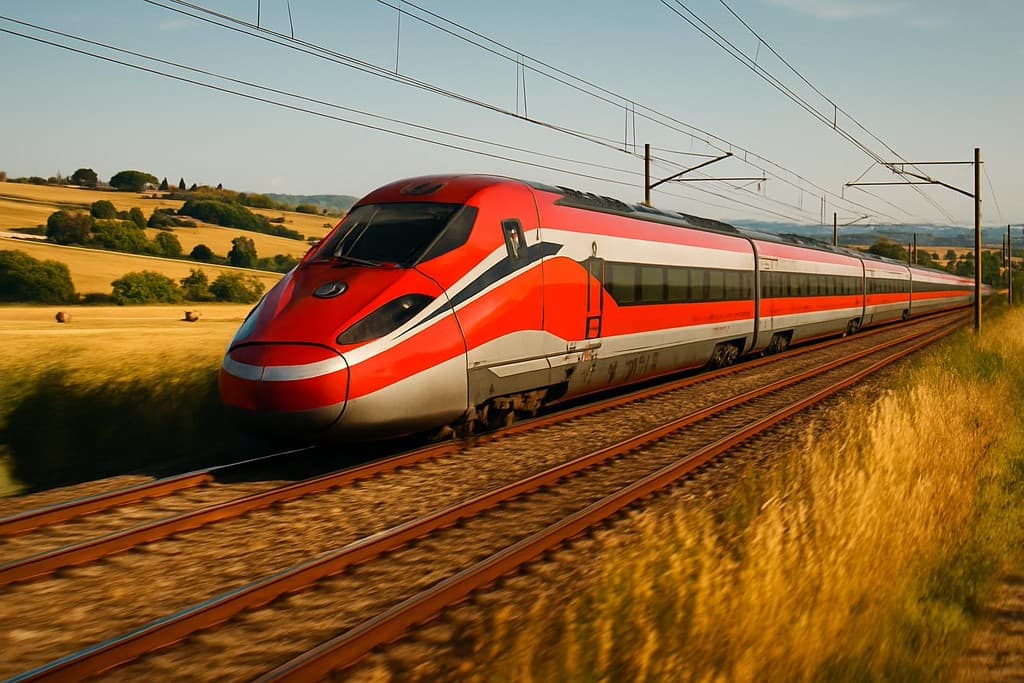
Italy by Train: The Smart Choice for Fast, Comfortable, and Scenic Travel
Exploring Italy without the stress of tight schedules or the hassle of unfamiliar roads—that’s the beauty of Italy’s train network. The country boasts a dense, diverse, and highly efficient rail system connecting major cities, charming rural towns, and picturesque regions. Whether you want to travel from one city center to another in just a couple of hours or gaze at the rolling hills of Tuscany from your window, Italian trains offer a perfect solution for getting around quickly and comfortably.
Main Train Operators and How to Book
Italy’s rail system is served by several key operators. Trenitalia is the national rail company, while Italo is a major private provider of high-speed trains. For booking, international travelers will find user-friendly platforms in English that make comparing routes and reserving tickets straightforward:
- Omio: An easy-to-use global platform where you can book trains, buses, and ferries all in one place.
- Rail Europe: Specializes in European train travel, offering comprehensive information, ticket combinations, and sometimes exclusive deals.
- Bookaway and 12Go: Ideal for travelers who want a quick, simple booking experience, often including other transport options like buses and ferries.
Insider Tip: High-speed train tickets (Frecciarossa, Italo) are often much cheaper when booked in advance—especially during peak travel seasons. Don’t wait until the last minute, especially on popular routes.
Recommended Routes Between Major Cities
Italian trains link nearly every major city with frequent, fast connections. Here are some of the most popular and useful routes for international visitors:
Rome – Florence: The Classic High-Speed Route
The Rome–Florence line is one of Italy’s busiest, with high-speed trains departing several times an hour. The journey takes around 1.5 hours and offers top-notch comfort. More details here:
Rome – Florence
Tip: Opt for Frecciarossa or Italo trains—they’re faster, more modern, and much cleaner than regional options.
Rome – Venice: Cross Italy with Ease
High-speed trains connect Rome and Venice in 3.5–4 hours, with scenery shifting from central to northern Italy.
Rome – Venice
Tip: Pay attention to station names. In most cases, you’ll want the main stations (Venezia Santa Lucia, Roma Termini) for easy access to city centers.
Milan – Venice: Northern Italy in Style
A very well-developed line, with frequent direct trains. The trip takes about 2.5 hours.
Milan – Venice
Tip: For morning or weekend journeys, reserve your seat in advance—this route is especially popular with business travelers and tourists.
Milan – Florence: Business, Culture, and Scenery
High-speed trains connect Milan and Florence in around two hours, making for a smooth and scenic ride.
Milan – Florence
Rome – Naples: The South Within Reach
High-speed trains get you from Rome to Naples in just 75 minutes.
Rome – Naples
Tip: This route is perfect for day trips to Pompeii or Sorrento—the train saves you hours compared to driving.
Florence – Venice: Architecture, Art, and Canals
A lively route with high-speed trains linking Florence and Venice in about two hours.
Florence – Venice
Naples – Sorrento: Gateway to the Amalfi Coast
A regional train line that’s slower and more local, but offers stunning views of the Bay of Naples and provides easy access to Sorrento.
Naples – Sorrento
Tip: This is the Circumvesuviana train—often crowded and without air conditioning in summer, but very affordable and accessible.
Rome – Catania: The Long Journey to Sicily
Overnight trains connect Rome and Catania—a great option if you want to save on a hotel night and experience Italy from a unique perspective.
Rome – Catania
Tip: A unique experience—the train boards a ferry to cross the Strait of Messina. Book a sleeper compartment early for the best experience.
Booking Tickets: How It Works and What to Know
- Advance Booking: Intercity and especially high-speed trains require (and allow) seat reservations in advance. Most platforms let you choose your seat.
- Apps & Digital Tickets: Book via Omio or Rail Europe and get a digital ticket on your smartphone—no need to print.
- Main Stations: Italy’s major train stations (Roma Termini, Milano Centrale, Firenze SMN, etc.) are large, organized, and centrally located. Check digital boards for your platform—platform numbers are sometimes posted only 15 minutes before departure.
- Ticket Checks: On intercity trains, you must show a valid ticket. On regional trains, if you buy an open ticket (not for a specific time), you must validate it in a yellow machine before boarding.
Costs: Price Ranges and What Affects Them
- High-Speed Trains (Frecciarossa, Italo): Prices range widely—from €20–30 for short trips up to €80+ for premium/first class or very long routes. Prices rise as the departure date approaches.
- Regional Trains: Much cheaper, usually €5–15 for trips of 1–2 hours.
- Night Trains: Depends on the compartment—regular seat, shared or private sleeper. Always check latest prices on booking platforms.
Tip: If you plan multiple intercity trips, look into daily or weekly rail passes via Rail Europe. In summer and during local holidays, book early—prices and demand soar.
Tips for a Smooth Train Experience in Italy
- Arrive Early: Major stations can be busy and have security lines—allow an extra 15 minutes, especially in big cities.
- Food & Drink: Most high-speed trains have a café cart, but it’s a good idea to bring snacks, especially for morning trips or on regional lines.
- Luggage: No weight limit, but store large bags on racks at the entrance to your carriage—keep an eye on them.
- Restrooms: Clean and well-kept on high-speed trains; can vary on regional trains.
- Wi-Fi: Available on high-speed trains, but speeds may not be reliable for continuous work.
- Windows: Don’t forget to look out—especially between Florence and Bologna, Naples and Sorrento, and on routes through Tuscany.
Summary: Trains—The Smart Way to See Italy
Trains in Italy are ideal for independent travelers and families alike: fast, reliable, centrally located, and—best of all—a real travel experience. By combining high-speed and regional lines, and making use of platforms like Omio, Rail Europe, Bookaway, or 12Go, you can reach every corner of the country with ease and comfort.
Whether you’re traveling Rome – Florence, Milan – Venice, Rome – Naples, Florence – Venice, Naples – Sorrento, Rome – Catania, Rome – Venice, or Milan – Florence, trains are the ideal way to discover Italy in depth—without sacrificing comfort or wasting precious time.
** Italy Train Guide — High-Speed & Regional Routes Explained
** Your essential guide to Italy's trains: high-speed and regional routes, booking tips, costs, and insider advice for smooth Italian rail travel.