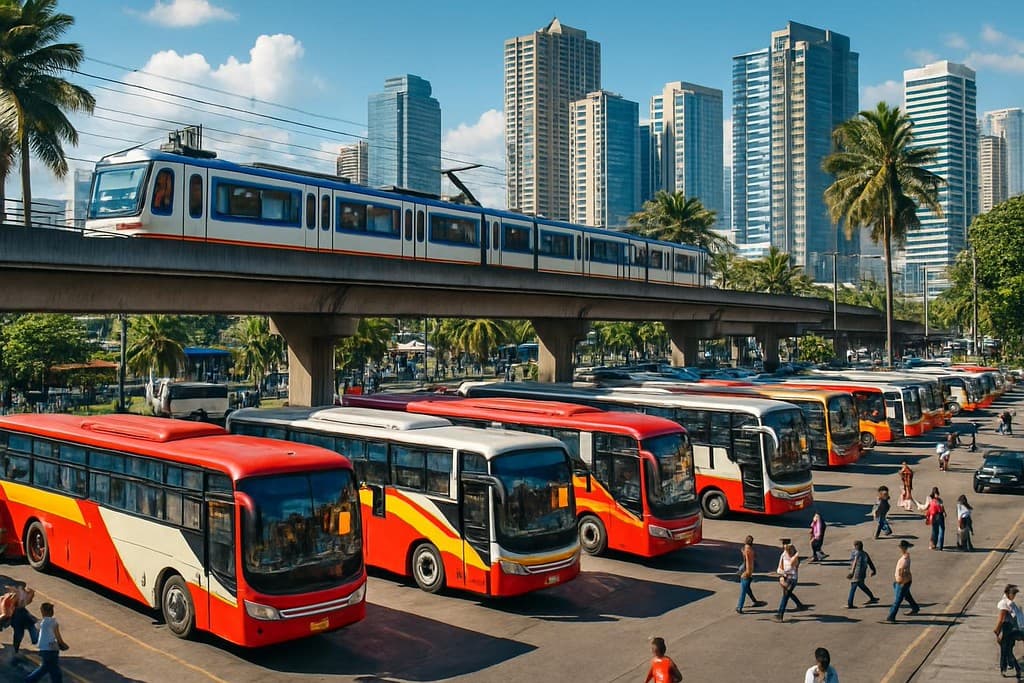
Manila Transport Hub
The Manila metropolitan area is the main gateway to the Philippines and a vital link for anyone exploring the country’s many islands. Whether you’re landing here to start your island adventure, planning a trip to the mountains, or just looking for the easiest way to the airport, Manila offers a wide range of transport options—along with some unique challenges for international travelers. Here you’ll find everything you need to know about getting to and from Manila, including key connections, airport and bus terminal access, and practical tips based on real-world experience.
Getting In and Out of Manila — Main Routes
Domestic Flights — The Fastest Way to the Islands
Manila is the home base for all Philippine airlines, with an extensive network of domestic flights. Most travelers choose to fly to save time—there are multiple daily flights to popular destinations like Bohol, Boracay (via Caticlan airport), Cebu, Dumaguete, and El Nido. Tickets can be booked in advance through services like Bookaway and 12Go.
Insider Tip: Domestic flights in the Philippines are often delayed, especially during the rainy season (June–November). Morning flights usually have fewer delays, so consider this when planning connections.
Useful Links:
Buses and Trains — Budget-Friendly for Northern Destinations
Manila’s overland transport relies on long-distance, relatively efficient buses, especially to northern Luzon destinations like Baguio, Sagada, and Banaue. The main bus stations (Cubao, Pasay, Sampaloc) are spread across the city—some are fairly close to the airport. You can book tickets in advance on 12Go and Bookaway.
The Philippine National Railways mainly serves the Metro Manila area and doesn’t provide significant connections to major tourist destinations.
Practical Insight: Bus rides from Manila to mountainous areas (like Baguio or Banaue) are long—sometimes 10–12 hours. Taking an overnight bus saves you a night’s accommodation and makes the most of your time.
Useful Links:
Ferries — The Classic Way to the Islands
Ferries remain an essential part of Philippine transport, especially for those who prefer a slower pace and scenic views. From Manila’s port, ferries depart for destinations like Coron, Puerto Princesa, Cebu, and Dapitan. Tickets can be booked via Direct Ferries and Ferryhopper.
Practical Insight: Ferries in the Philippines aren’t always on time, and cancellations are common during the rainy season. Always check the weather forecast and have a backup plan for an extra day.
Useful Links:
Airports and Main Terminals — Access and Orientation
Ninoy Aquino International Airport (NAIA)
NAIA is the main gateway to Manila and the entire country. The airport has four terminals, which are quite far apart—pay attention if you have a connecting flight! You can reach the airport by taxi, Grab (the local ride-hailing app), or dedicated Airport Loop buses. During rush hours, allow plenty of extra time to get there.
Key Insight: Traffic jams around the airport are notorious. It’s best to fly in or out at off-peak hours, or at least leave the city very early.
Main Bus Stations
- Cubao (Quezon City): Main terminal for most northern routes (Baguio, Banaue, Sagada)
- Pasay: Convenient for those coming from southern Manila, with routes to Bohol, El Nido, and more
- Sampaloc: Central station for trips to the mountains (Sagada, Banaue)
How to Get There: Grab is the easiest option, but you can also use a Jeepney (colorful local minibuses) or a regular taxi. Note that some stations are close together but not directly connected by foot.
Manila Port
- Pier 4/15: Most passenger ferries to the islands depart from Pier 4 or 15. Confirm your ferry’s departure pier in advance.
- Getting There: Taxi or Grab. Expect traffic delays, especially during morning and afternoon rush hours.
Getting Around Manila — Local Transport Options
Taxi and Grab
Taxis are widely available but often operate without a meter. Grab is a safer, more convenient, and sometimes even cheaper option—especially for airport or main terminal rides.
Jeepney
The iconic local minibus—colorful, cheap, and a uniquely Filipino experience. Not ideal if you have a lot of luggage or during peak hours, but perfect for short distances and getting a local feel.
MRT/LRT Train
Metro trains run along major traffic corridors. They’re much faster than taxis during rush hour, though they can get extremely crowded. Note that not all lines connect directly to the main bus stations—check in advance.
City Buses
Local buses are the cheapest way to get around, but not the easiest for newcomers to navigate. Understanding bus routes takes patience and time.
Popular Routes from Manila — Quick Links
- Manila – Bohol: Fast flights available throughout the day. Bohol offers beaches, Chocolate Hills, and rice terraces.
- Manila – Cebu: The gateway to southern Philippines—fly or take a ferry, with easy connections to other islands.
- Manila – Coron: Classic ferry route, an authentic island-hopping experience.
- Manila – Baguio: Comfortable overnight bus, with unique mountain scenery and cool air.
- Manila – El Nido: Direct flights in season—book early, as El Nido is a very popular destination.
Key Things to Know Before Leaving Manila
- Don’t leave bookings to the last minute—routes to the islands or mountains fill up fast during peak season.
- Split terminals and stations—double-check which terminal or station you’re departing from, and plan for long transfers.
- Manila transport experience—expect major traffic jams, and always allow extra time.
- Smart combinations—sometimes it’s best to combine a flight with a bus or ferry to save time, money, and energy.
- Book in advance—use 12Go, Bookaway, and Direct Ferries to secure your seat, especially in high season.
Manila isn’t always the easiest city to navigate, but choosing the right transport options can make your trip much smoother and more efficient.
** Manila Transport Hub: Getting Around and Leaving the City
** Manila transport guide: airports, buses, ferries, and key routes for travelers. Plan your trip from Manila across the Philippines with essential tips.