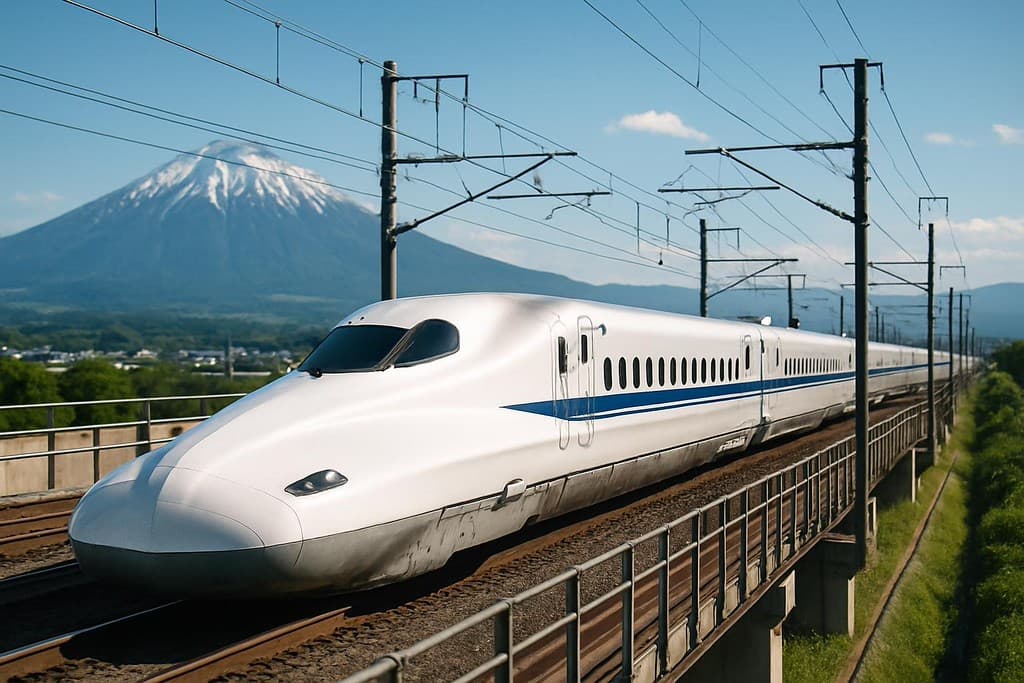
Tokyo to Kyoto — Shinkansen Guide
Traveling between Tokyo and Kyoto is a classic journey through the heart of Japan, shared daily by thousands of tourists and locals alike. The Shinkansen (bullet train) is the preferred choice for most travelers — a symbol of Japanese innovation, speed, and comfort. But is it the right option for everyone? This guide covers all main routes: Shinkansen, regular trains, overnight buses, and even a flight via Osaka. We’ll break down travel times, comfort levels, price ranges, pros and cons — so you can decide what fits your plans best.
Shinkansen from Tokyo to Kyoto — The Fastest and Most Comfortable Option
When it comes to traveling between Tokyo and Kyoto, the Shinkansen (bullet train) is the gold standard — modern, efficient, and impressive. Multiple operators run this route, and tickets are available via 12Go, Bookaway, Omio, and Rail Europe.
Travel Time
- Nozomi Shinkansen: About 2 hours 15 minutes
- Hikari Shinkansen: About 2 hours 40 minutes
- Kodama Shinkansen: Close to 4 hours
Price Range
- Nozomi/Hikari: Typically $110–$140 one-way (check current rates for your dates)
- Japan Rail Pass is valid only on Hikari/Kodama (Nozomi is not included); a great value if you’re traveling to multiple destinations
Comfort Level
- Exceptionally spacious seats, spotless cleanliness
- Quiet ride, Wi-Fi available on some express trains
- Food, drinks, and snacks sold from carts
- Clean, accessible restrooms
Editorial Insight:
For most visitors, the time difference between Nozomi and Hikari is minimal (less than 30 minutes). If you have a Japan Rail Pass, you’ll be using Hikari or Kodama. Note: Nozomi trains can get crowded during peak hours, so booking a seat in advance is recommended.
Useful Links:
Regular Trains — Cheaper, Much Slower
If you’re on a tight budget, it’s possible to use regular (Local/Express) trains between Tokyo and Kyoto. This route involves more transfers, longer travel time, and sometimes waiting at small local stations.
Travel Time
- 8–9 hours on average, depending on number of transfers
Price Range
- Starting from $50–$70 one-way (depending on combinations)
Comfort Level
- Less spacious carriages, fewer amenities
- No reserved seating; can get crowded during rush hours
- Offers a local experience — but adjust expectations (especially if traveling with lots of luggage or kids)
Editorial Insight:
The main advantage is for travelers using the Seishun 18 Kippu (a seasonal discount rail pass) — a way to save significant money, but requires careful planning and patience.
Relevant Link:
Overnight Bus — Budget-Friendly with Trade-Offs
The overnight bus is a popular alternative, especially among young travelers and backpackers. Several operators run direct services between Tokyo and Kyoto, with various comfort levels.
Travel Time
- 7–9 hours overnight, depending on route and traffic
Price Range
- $35–$70 one-way (depending on comfort class, date, and season)
Comfort Level
- Reclining seats, sometimes VIP seats with extra legroom
- No showers; restrooms available on some buses
- Rest stops at highway service areas
- Bonus: saves you a night’s accommodation
Editorial Insight:
Night buses are quiet and orderly, but sleep quality can be hit or miss. If you’re a light sleeper, this may not be the best fit. Booking in advance is advised, especially on weekends and Japanese holidays.
Direct Link:
Domestic Flight — Rarely Used, But Possible (Time Trade-Off)
A less common option is a domestic flight from Tokyo (Narita or Haneda) to Osaka, followed by a short train ride to Kyoto. Flights are run by several airlines, and booking via Omio and 12Go is straightforward. The Osaka-Kyoto train link is fast and inexpensive (15–30 minutes).
Travel Time
- Flight: 1 hour 15 minutes
- Airport to Osaka city: about 1 hour
- Train from Osaka to Kyoto: 15–30 minutes
- Total (including check-in/waiting): at least 4–5 hours
Price Range
- Discount airfares from $50, but factor in airport and train transfers between Osaka and Kyoto
Comfort Level
- Only practical if you’re already at the airport or continuing to another destination
- Domestic flights in Japan are usually punctual, but security and transfers take time
Editorial Insight:
A domestic flight makes sense mainly if you’re starting your trip at Narita/Haneda and heading straight for the Kyoto area — for example, if you arrive and immediately continue your journey. Most travelers will prefer the Shinkansen.
Links:
Alternative Routes — Creative Ways to Mix Up Your Journey
Sometimes, taking a detour adds interest and variety:
- Stop in Osaka for a day trip, then continue to Kyoto
- Take a break in Nara or Hiroshima along the way (see Tokyo to Hiroshima by Shinkansen)
The upside: see more of Japan, break up the journey, and enjoy different modes of transportation.
Main Route Comparison Table
| Route | Travel Time | Approx. Cost | Comfort | Unique Advantage | |--------------------|--------------|----------------------|------------|--------------------------------------------| | Shinkansen Nozomi | 2:15 hours | $110–$140 | Very High | Fast, modern experience | | Shinkansen Hikari | 2:40 hours | $110–$140 | Very High | Included in Japan Rail Pass | | Regular Train | 8–9 hours | $50–$70 | Moderate | Budget-friendly, local experience | | Overnight Bus | 7–9 hours | $35–$70 | Varies | Saves on accommodation, travel at night | | Flight + Train | 4–5+ hours | $50–$100+ | Moderate | Good for combining with other destinations |
When Should You Choose Each Option?
Shinkansen (Nozomi/Hikari)
- Best for those who value time, comfort, and a seamless Japanese experience
- Ideal for families, business travelers, or anyone with lots of luggage
- Book in advance during peak travel seasons
Regular Trains
- Perfect for Seishun 18 Kippu holders or backpackers with flexible schedules
- Not recommended if you’re in a hurry or dislike frequent transfers
Overnight Bus
- Great for tight budgets, solo travelers, or young people
- Not ideal for light sleepers or those seeking privacy
Flight + Train
- Only makes sense if you start or end your day at the airport
- Can be cost-effective with special fares, or if combining with other destinations (e.g., Hiroshima or Osaka)
Editorial Tips for Smart Choices
- First time in Japan? Go with the Shinkansen (Hikari) — it’s worth the experience
- Traveling on a tight budget? Overnight bus or regular trains are your go-to options
- Using a Japan Rail Pass? Make sure to choose the Hikari, not Nozomi
- Combining with other destinations? Consider routes via Osaka, Nara, or Hiroshima (see Tokyo to Nara, Tokyo to Hiroshima)
Practical Summary
The simplest, fastest, and most comfortable way between Tokyo and Kyoto is the Shinkansen.
If budget is your main concern or your schedule is flexible, regular trains or the overnight bus are viable options, though you’ll sacrifice speed and comfort.
Don’t forget to consider alternative routes via Osaka or other stops — Japan’s rail network is extensive, and mixing up your journey can be part of the adventure.
Book ahead during busy seasons, and choose based on your trip style, budget, and comfort preferences.
For bookings and more info:
- Shinkansen from Tokyo to Kyoto
- Shinkansen from Tokyo to Osaka
- Train from Osaka to Kyoto
- Train from Tokyo to Nara
- Train from Tokyo to Hiroshima
** Tokyo to Kyoto — Complete Shinkansen & Transport Guide
** How to travel from Tokyo to Kyoto: compare Shinkansen, trains, buses, flights. Find routes, prices, and tips for the best way to get to Kyoto.