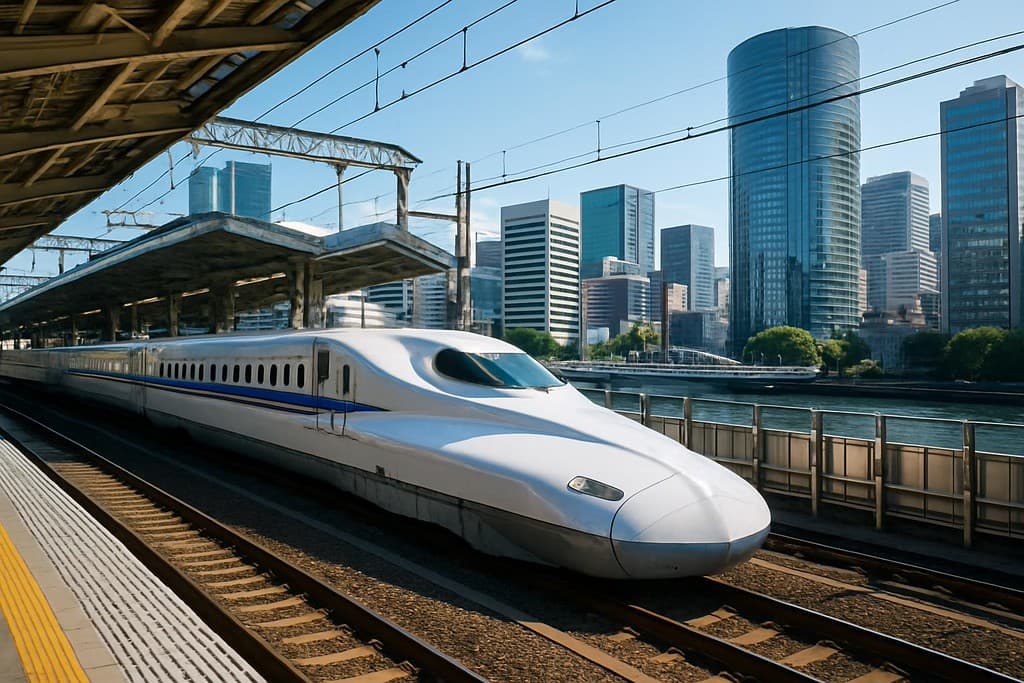
Tokyo Transport Guide — Shinkansen & More
Tokyo is the vibrant heart of Japan and a major hub in the country’s extensive transport network. Whether you’re arriving in the city or heading out, you’ll find a wealth of fast, reliable, and convenient options — from high-speed Shinkansen trains and regular rail lines to intercity buses, airport rail links, and even some ferry connections. Whether your destination is classic cities like Kyoto or Osaka, natural sites like Hiroshima, or Narita Airport, this guide covers everything you need to choose the best way to travel.
Major Train Stations in Tokyo & Getting There
Tokyo boasts several major train stations, with Tokyo Station, Shinjuku, and Ueno being the most prominent. Each serves as a gateway to a wide range of local and intercity rail lines, including the Shinkansen bullet trains.
Access to Narita Airport
Narita Airport, located east of Tokyo, is the city’s main international gateway. The fastest and most popular connection is the Narita Express (N’EX) train, which takes you directly from the terminals to central Tokyo stations (Tokyo, Shinagawa, Shibuya, Shinjuku, and more) in about an hour.
Another option is the Keisei Skyliner, which reaches Ueno Station in a similar time. Buses are also available and can be more budget-friendly, but are slower.
- See Tokyo — Narita Airport for all options and schedules.
Insider tip: During morning and evening rush hours, especially on Sundays and holidays, seats on the Narita Express sell out quickly — reserving in advance is highly recommended.
Shinkansen Trains — Fast, Punctual, and Comfortable
Japan’s Shinkansen network is renowned for its speed and reliability, connecting Tokyo with major cities across the country. All Shinkansen trains depart from Tokyo or Shinagawa stations, and tickets can be booked via Omio, Rail Europe, or 12Go.
Tokyo — Kyoto
The most popular route is Tokyo — Kyoto. The fastest Nozomi trains cover the distance in under 2 hours and 20 minutes, with departures throughout the day.
Insider tip: If you have a JR Pass, note that the fastest Nozomi trains are not included. Opt for Hikari or Kodama services instead — the journey takes 20–40 minutes longer.
Tokyo — Osaka
The Tokyo — Osaka route is also extremely popular, with Shinkansen trains reaching Shin-Osaka Station in about 2.5 hours.
Advice: Shin-Osaka Station is not in the city center, so you’ll need a connecting JR line to reach main sightseeing areas.
Tokyo — Hiroshima
Traveling south, Tokyo — Hiroshima is a direct Shinkansen route covered by Nozomi trains in under 4 hours — perfect for those wanting a full day in Hiroshima.
Insider tip: Despite the distance, the ride is smooth and quiet, with most trains offering power outlets and WiFi.
Tokyo — Nara
Nara is famous for its parks and free-roaming deer. The Tokyo — Nara journey usually involves a Shinkansen ride to Kyoto or Osaka, then a transfer to a local train. Total travel time is around 3.5–4 hours.
Advice: Plan your schedule to allow for an easy transfer — trains are frequent, but it’s worth checking connection times in advance.
Intercity Buses — Budget & Flexibility
Trains aren’t the only option: intercity buses offer a budget-friendly alternative, especially for overnight trips to distant destinations. Services can be booked through Bookaway and 12Go.
- Tokyo — Kyoto and Tokyo — Osaka: Overnight buses with comfortable seats, sometimes even beds.
- Tokyo — Hiroshima: Direct buses are available, but the journey is much longer than by train (about 12 hours).
Insider tip: Buses are much cheaper than the Shinkansen, but less comfortable for long trips. A good choice for travelers looking to save money and travel overnight.
Ferry Connections — Less Common, But Available
Tokyo is not a central port for domestic ferry travel, but operators like Direct Ferries and Ferryhopper offer unique routes, mainly to distant islands. For most travelers heading to major cities, ferries are less relevant, but they’re worth checking for seasonal island connections.
Getting Around Tokyo
Navigating Tokyo is mostly done via metro and above-ground trains. Lines like the Yamanote Circle Line, Ginza, and Hibiya cover most major attractions, with very frequent service.
A prepaid Suica or PASMO card makes it easy to travel between different operators without buying individual tickets.
Insider tip: Central stations are extremely crowded during peak hours (8:00–9:30 am and 5:30–7:00 pm). If possible, plan your trips outside these times for a much more pleasant experience.
How to Choose the Best Option?
- For speed and comfort: The Shinkansen is the top choice — especially for Kyoto, Osaka, and Hiroshima.
- For budget travelers: Intercity buses are the cheapest option, especially for overnight journeys.
- For Narita Airport transfers: The Narita Express train is preferable over taxis or buses, especially with heavy luggage.
- For those seeking unique experiences: Check for ferry connections during certain seasons, particularly if you’re planning to visit islands.
Route Recommendations with Direct Links
- Tokyo — Kyoto: Choose Shinkansen or overnight bus.
- Tokyo — Osaka: Fast Shinkansen or comfortable bus.
- Tokyo — Hiroshima: The quickest way to southern Japan.
- Tokyo — Nara: Combination of Shinkansen and local train.
- Tokyo — Narita Airport: All airport access options.
- Kyoto — Tokyo: Return to Tokyo is just as easy.
- Osaka — Tokyo: Popular for those returning from Kansai.
- Hiroshima — Tokyo: Reliable link to southwestern Japan.
Practical Summary
Tokyo is a transportation hub like no other, with options for every style and budget. Whether you choose the iconic Shinkansen, modern intercity buses, or rapid airport trains, smart planning helps you maximize your time and enjoy the journey. Don’t hesitate to mix and match transport types to suit your trip’s pace and needs.
** Tokyo Transport Guide: Shinkansen, Buses & Airport Links
** Your complete Tokyo transport guide: Shinkansen, airport trains, buses, and more. Compare the best routes for Kyoto, Osaka, Hiroshima, and beyond.