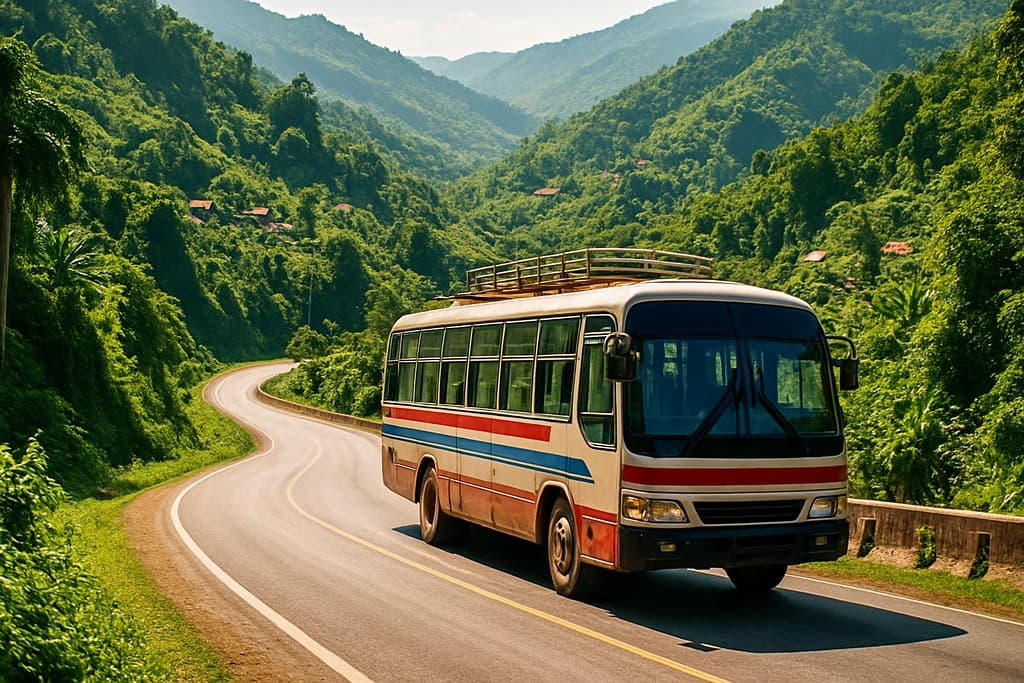
Complete Transport Guide to Laos
Laos is a captivating country known for its wild landscapes, peaceful cities, and the mighty Mekong River running through its heart. The nation’s transport scene is rapidly evolving, with new trains, modern buses, and efficient minivans—alongside unique local experiences you won’t find elsewhere. Here you’ll find everything you need to know about getting around Laos: transport types, key routes, option comparisons, and practical tips to help you plan your journey.
Overview – The Easiest Ways to Get Around Laos
Laos is ideal for travelers looking for diverse routes: from bustling cities to remote villages, lush mountains to wide rivers. Your transport choice will depend on comfort, timing, and budget:
- High-Speed Trains – A relatively new addition, transforming travel between major cities.
- Buses and Minivans – The classic choice for touring Laos, reaching nearly every destination.
- Ferries and Boats – Perfect for experiencing the Mekong from a different perspective (mainly in certain areas).
- Taxis, Motorbikes, and Car Rentals – Best for short distances or less-visited routes.
We recommend booking via 12Go, Bookaway, or Omio, which offer English interfaces, reliable service, and seat selection options.
Trains: The Game-Changer for Laos Travel
In recent years, Laos has undergone a transport revolution with the launch of the high-speed rail line connecting Vientiane, Vang Vieng, and Luang Prabang. This is the fastest, most comfortable, and modern way to travel between the country’s main cities.
Why Take the Lao Train?
- Speed – Saves hours compared to bus journeys.
- Comfort – Air-conditioned carriages, spacious seats, and high standards.
- Scenery – The route winds through mountains and rivers, making the journey an experience in itself.
Key Routes
- Vientiane – Vang Vieng: The new high-speed train offers flexibility and takes just about an hour—compared to 4–5 hours by bus.
- Vang Vieng – Luang Prabang: The fastest and most convenient connection between the two cities, with several daily departures.
- Vientiane – Luang Prabang: A direct line, ideal for skipping Vang Vieng if you wish.
Insider Tip
Trains can sell out, especially during peak seasons, weekends, and Lao holidays. Book ahead, and note baggage weight limits if you’re carrying a lot of gear.
Ticket Booking
Booking via 12Go or Bookaway is straightforward, but you’ll need to show your passport at the station. Sometimes, you’ll be required to collect a physical ticket in advance.
Buses and Minivans: The Traditional Choice
Until recently, buses and minivans were the primary way to get anywhere in Laos. Today, they’re still vital for journeys outside the rail network, rural routes, and for budget travelers.
Types of Buses
- Air-Conditioned Minivans – A comfortable option for short to medium journeys, usually with 9–15 seats.
- Standard Buses – Suitable for long distances or overnight trips, but may not always be air-conditioned.
- VIP Buses – Feature spacious seats, sometimes onboard toilets, and are generally more reliable.
Main Routes
- Luang Prabang – Vientiane: A classic route, still relevant for travelers seeking a scenic journey or traveling outside train hours.
- Vang Vieng – Vientiane: Good for those wanting flexible stops or alternative travel times.
Pro Advice
Mountain roads can be winding—buses and minivans may sway a lot. Bring motion sickness medication and try to choose a front seat if possible. Night buses are less recommended due to road conditions.
Booking
It’s best to book tickets via 12Go or Bookaway to secure your seat, especially on busy routes and during holidays.
Boats and Ferries: An Authentic Lao Experience
While not the main mode of transport between major cities, traveling by boat on the Mekong or its tributaries is a once-in-a-lifetime experience—especially between Luang Prabang and northern villages.
Recommended Routes
- Luang Prabang – Pakbeng: A two-day journey on the Mekong with an overnight stay in a small village—relaxing and authentic.
- Pakbeng – Huay Xai: Continue by boat to the Thai border—perfect for those heading to northern Thailand.
Important Tip
Boats are slow and offer breathtaking views, but only basic comfort. Bring water, snacks, and warm clothes (especially in winter). Fast ferries are available but are more expensive and generally less safe—not recommended.
Booking
Book via Bookaway or Direct Ferries. In peak seasons, it’s wise to reserve in advance.
Taxis, Motorbikes, and Independent Rentals
In towns and cities—especially if your destination isn’t on a main route—taxis, tuk-tuks, motorbikes, and rental cars are the go-to options.
- Tuk-tuks – Inexpensive and negotiable, but not ideal for long distances.
- Taxis – Mostly available in Vientiane and Luang Prabang; it’s best to book through your hotel.
- Motorbikes – Popular among adventurous travelers; ride with caution.
- Car Rentals – Good for families or groups, but roads are narrow and winding.
Key Insight
Road quality in Laos varies greatly. During the rainy season (June–October), some routes may become impassable—always check the weather forecast, especially for mountain trips.
International Connections: Laos and Its Neighbors
Laos borders Thailand, Vietnam, Cambodia, and China. Most travelers cross by land or river.
Popular Routes
- Luang Prabang – Chiang Rai (Thailand): Combining boat and bus for a varied and scenic journey.
- Vientiane – Nong Khai (Thailand): Easy border crossing by train or bus, convenient for those continuing to Bangkok.
- Luang Prabang – Hanoi (Vietnam): A long bus journey—rewarding but demanding, best for patient travelers.
Tip
When crossing borders, bring a valid passport, visa (if required), and some cash—ATMs are not always available near border crossings.
Booking
Book international tickets via 12Go or Bookaway to avoid surprises and guarantee your spot.
Planning Your Route: What’s Right for You?
Choosing your Laos transport depends on your priorities:
- Comfort and Speed Seekers: Combine trains between major cities, and use buses or taxis for rural destinations.
- Adventurers: Try a Mekong river journey and use minivans or buses to reach remote villages.
- Budget Travelers: Opt for standard buses, but check train prices too—the difference isn’t always significant.
- Travelers with Lots of Gear or Families: Trains and VIP minivans offer more comfort.
Key Routes with Booking Links
- Luang Prabang – Vang Vieng
- Vang Vieng – Luang Prabang
- Vientiane – Vang Vieng
- Vang Vieng – Vientiane
- Vientiane – Luang Prabang
- Luang Prabang – Vientiane
- Luang Prabang – Pakbeng
- Pakbeng – Huay Xai
- Vientiane – Nong Khai
- Luang Prabang – Chiang Rai
Practical Summary – Plan Smart
- Book trains early—especially in peak season.
- Check bus and minivan availability via 12Go or Bookaway, and confirm your exact departure point.
- Cruise the Mekong if you have the time—it’s an experience like no other.
- Prepare for mountain roads with suitable medication and warm clothing.
- At border crossings—plan ahead, bring documents and cash.
Transport in Laos is more varied than ever. With smart planning, you’ll make the most of your trip and reach every destination easily and comfortably.
Complete Transport Guide to Laos: Trains, Buses & More Discover the best ways to travel Laos! Full guide to trains, buses, boats, and key routes for international travelers. Plan your Laos transport here.