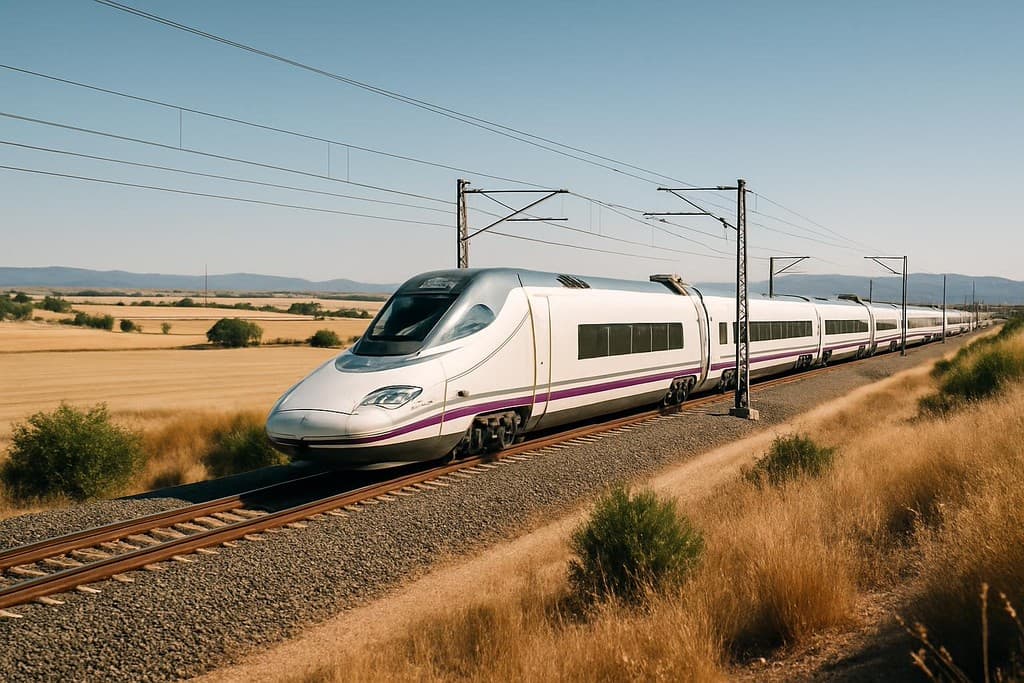
Barcelona to Madrid — AVE Train Guide
The route between Barcelona and Madrid is one of the busiest travel corridors in Spain, and many international travelers wonder which option is best: train, flight, bus, or rental car. With the introduction of the high-speed AVE train, the decision has become even more interesting. Below you’ll find a detailed comparison of all major options — including travel time, comfort, costs, and what you really need to know before booking.
Main Transportation Options
- High-speed AVE train
- Domestic flights
- Intercity bus
- Rental car
We’ll break down each option, focusing on the travel experience, convenience, seasonal tips, and practical advice from real-world travelers.
AVE Train — The Choice of Experienced Travelers
Travel Time
The AVE ("Alta Velocidad Española") is one of Europe’s fastest trains. The Barcelona to Madrid by AVE train journey takes just about 2.5 hours, with frequent departures throughout the day — from early morning to late evening.
Costs
Ticket prices depend on how early you book, the class of service, and flexibility, but typically range from €40 to €120 one-way. It’s a good idea to check current availability and prices using platforms like Omio or Rail Europe, which offer English interfaces and seat selection. Booking in advance often leads to significant savings.
Comfort & Experience
- Spacious seats (even in standard class)
- Power outlets at every seat
- Quiet carriages
- Clean restrooms
- Food and drinks available for purchase
- No need to arrive two hours in advance — 30-40 minutes at the station is enough
Editorial Insight:
The true advantage of the train isn’t just the speed, but the central locations — Barcelona Sants and Madrid Atocha stations are both right in the heart of their cities. This saves you the hassle of traveling to the airport, long security checks, and lengthy waits.
Tip:
If you’re traveling during peak times (Monday mornings or Friday evenings), reserve your seat in advance to guarantee availability.
More info & booking for AVE train
Domestic Flights — Fast in Theory, Less Practical in Reality
Travel Time
The actual flight between Barcelona’s El Prat Airport and Madrid’s Barajas Airport is only about 1 hour and 15 minutes. However, when you include arriving at the airport 1-2 hours early, security, baggage claim, and the transfer from the airport to the city center, the total journey time is closer to 3-4 hours.
Costs
Low-cost flights may look appealing (sometimes from €30), but adding luggage, seat selection, and other extras often brings the total to €70-120 or more. Prices surge during holidays and summer.
Editorial Insight:
There are hundreds of flights daily, but if getting to the city center quickly is important, the train usually wins.
Comfort
- Lines and security checks
- Liquid and baggage restrictions
- Airports located outside the cities
- Delays are common, especially in summer and during holidays
More info on Barcelona to Madrid flight routes
Intercity Bus — Budget Option, Slower Journey
Travel Time
ALSA buses (bookable via platforms like Bookaway or 12Go) make the trip between Barcelona and Madrid in about 7-8 hours, depending on traffic and stops.
Costs
Tickets usually cost €20-40, depending on the service type (standard, premium, overnight) and when you book.
Comfort
- Fairly comfortable seats, but less spacious than on the train
- Onboard restrooms (service-dependent)
- Frequent stops along the route
- Limited Wi-Fi connectivity
Editorial Insight:
Overnight buses can save you a night’s accommodation, but you may arrive tired — not for everyone. For budget travelers or those who prefer a slower pace, this is a viable option.
More info on Barcelona to Madrid bus routes
Rental Car — Flexible, But Not Always Worth It
Travel Time
Driving between Barcelona and Madrid takes around 6 hours (620 km), depending on traffic and your chosen route. The fastest is via the A-2 highway.
Costs
- Car rental: typically €30-70 per day (excludes fuel)
- Fuel: about €50-70 for the trip
- Tolls: almost none, but check your specific route
- Parking in big cities — expensive and hard to find
Comfort
- Freedom to stop along the way (towns, scenic spots, attractions)
- Flexible schedule
- Parking issues, city traffic, and different regional driving rules
Editorial Insight:
If your only destinations are Madrid and Barcelona, skip the car. A rental is only worthwhile if you plan to explore towns or sights along the way.
More info on Barcelona to Madrid driving routes
Practical Comparison — Choosing the Best Option
| Transport Mode | Total Travel Time (incl. waiting) | Average Price | Comfort | Editorial Notes | |------------------|-----------------------------------|--------------|------------|--------------------------------------| | AVE Train | 2.5–3 hours | €40–120 | Very high | Central stations, quiet, fast | | Flight | 3–4 hours | €50–120 | Moderate | Airports outside the city | | Bus | 7–8 hours | €20–40 | Fair | Budget, slow, overnight saves hotel | | Rental Car | 6–8 hours | €80–150 | Moderate | Flexible, but not ideal for cities |
Editorial Recommendations
- Traveling with kids or lots of luggage: The train is best — no baggage limits, fewer lines, and maximum comfort.
- Tight budget or last-minute booking: Check overnight buses or low-cost flights, but remember to factor in extra fees.
- Busy seasons (summer, holidays): Book the train in advance! Tickets sell out quickly, especially on weekends.
- Want flexibility and sightseeing en route: A rental car is only worthwhile if you plan stops along the way (e.g., Zaragoza, Toledo).
Final Summary — What Should You Choose?
- Most travelers between Barcelona and Madrid prefer the high-speed AVE train — it’s the best mix of speed, comfort, and central location.
- Flights make sense only if you’re staying near the airport or need an international connection.
- Bus is mainly for those looking to save money or booking last-minute.
- Rental car is recommended only if you’re planning a road trip with stops along the way.
In short, prioritize the AVE train and book in advance via Omio or Rail Europe — it’s the most convenient, efficient, and worthwhile way for international travelers to get between Barcelona and Madrid.
meta_title_en
Barcelona to Madrid AVE Train Guide: Compare Trains, Flights, Buses
meta_desc_en
Compare AVE train, flights, bus, and car from Barcelona to Madrid. Find travel times, prices, comfort, and tips for the best way to travel.